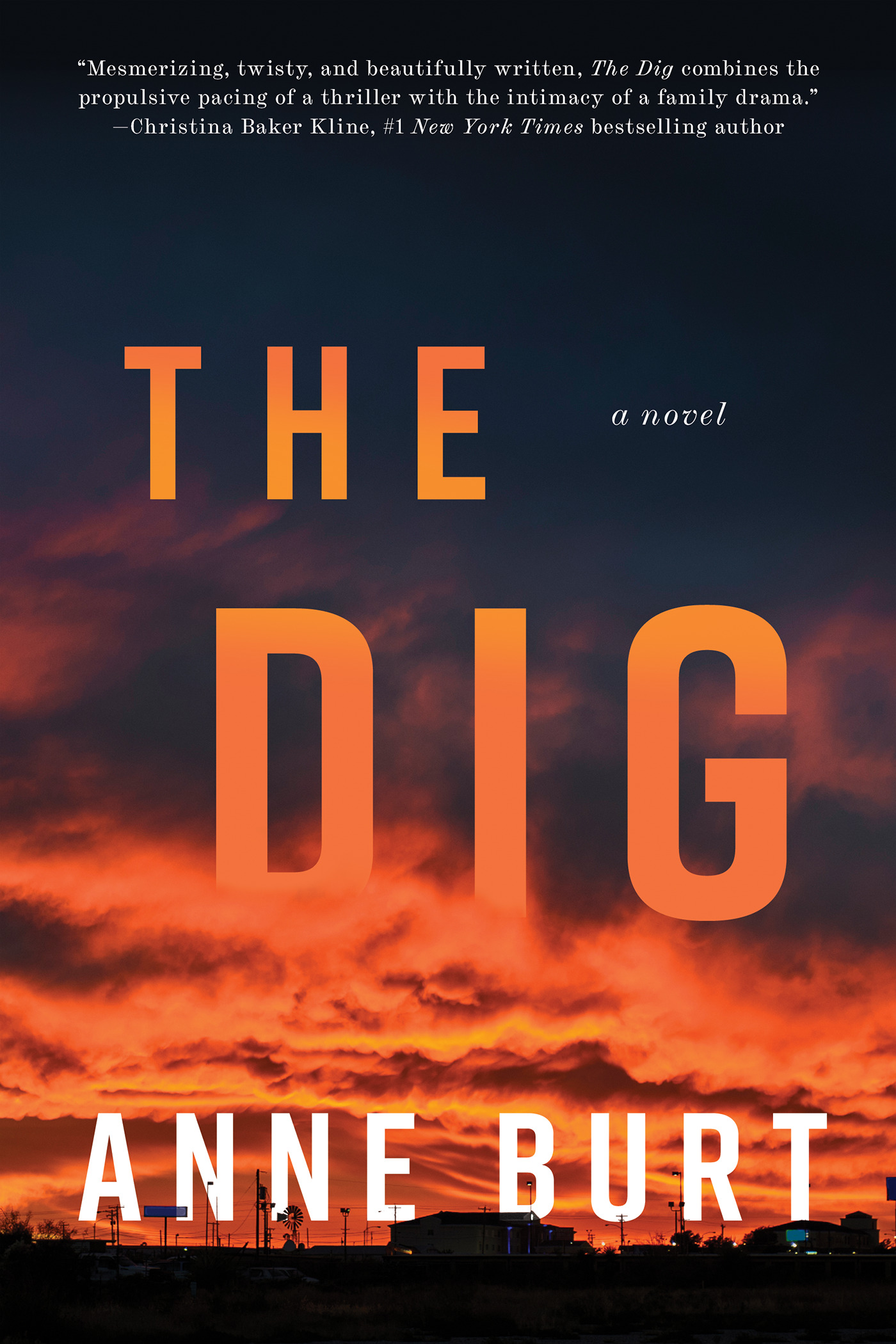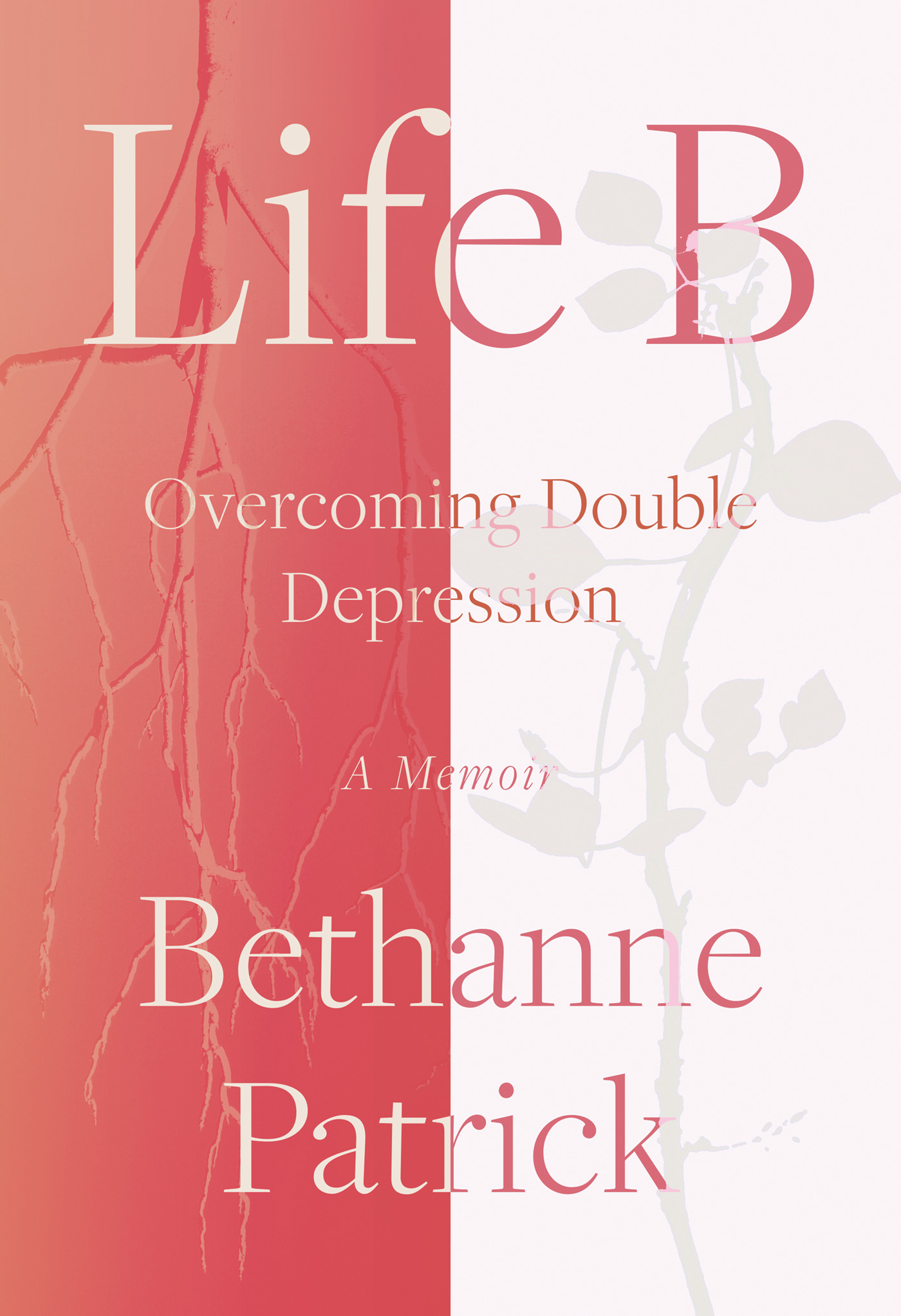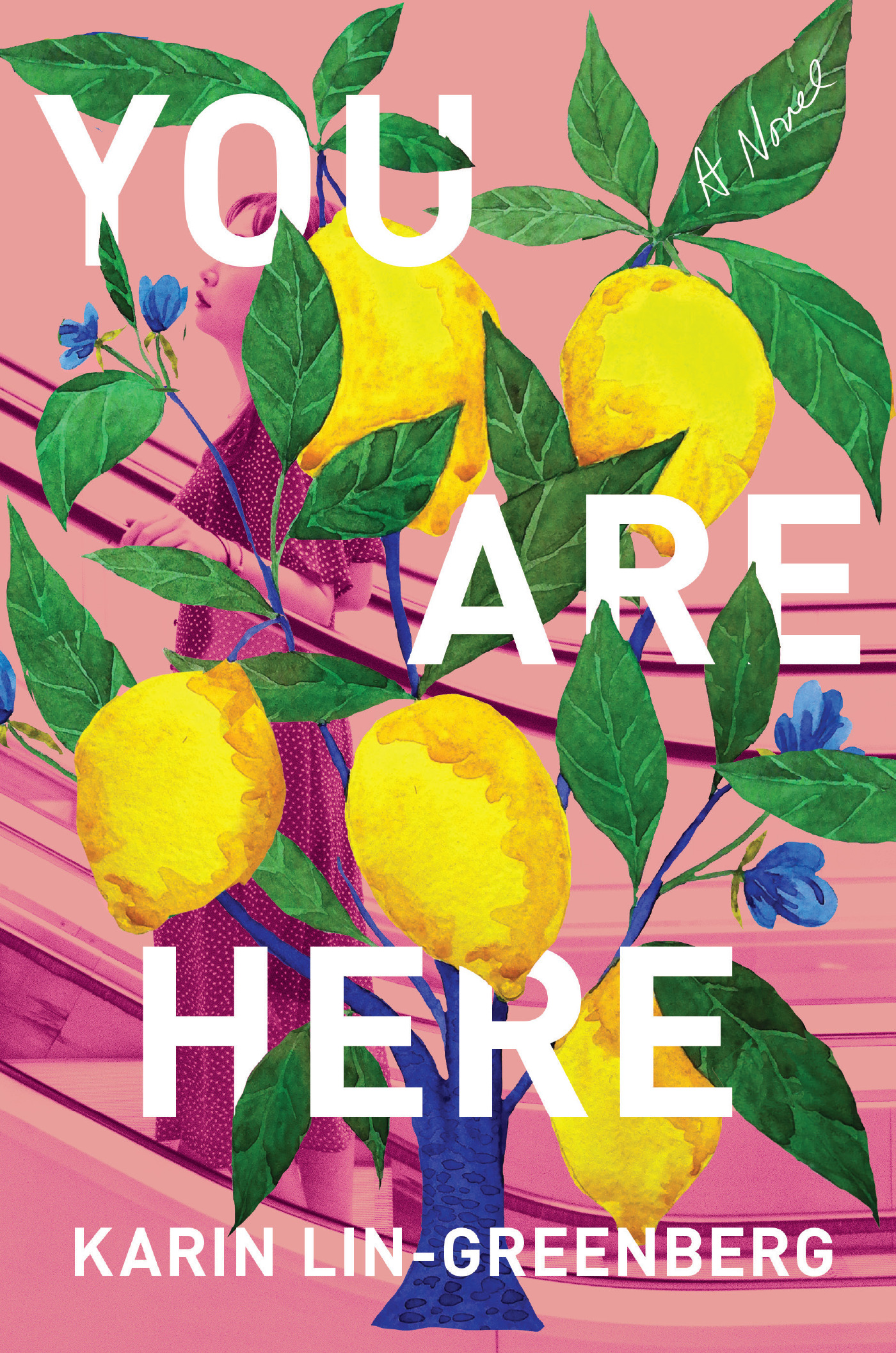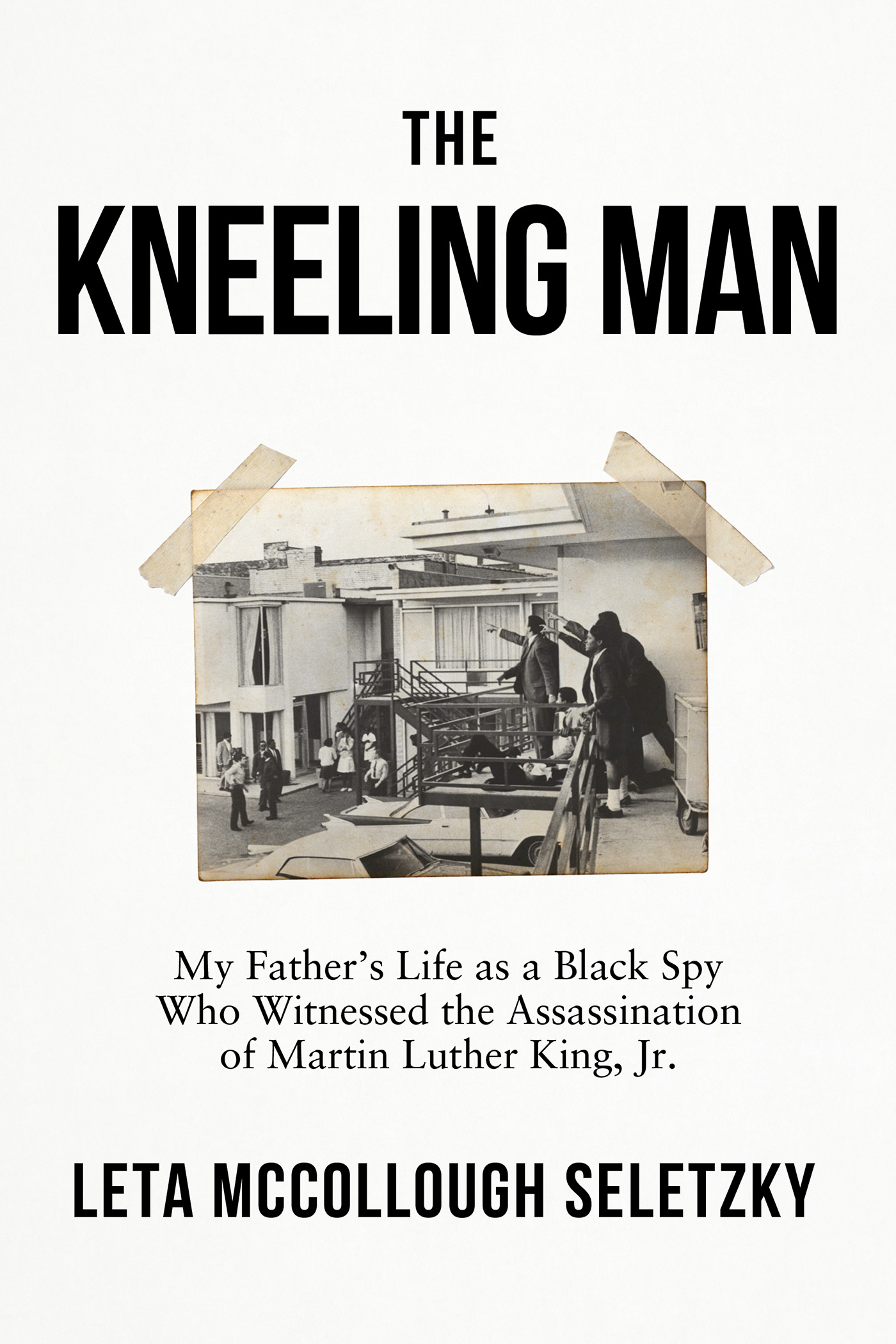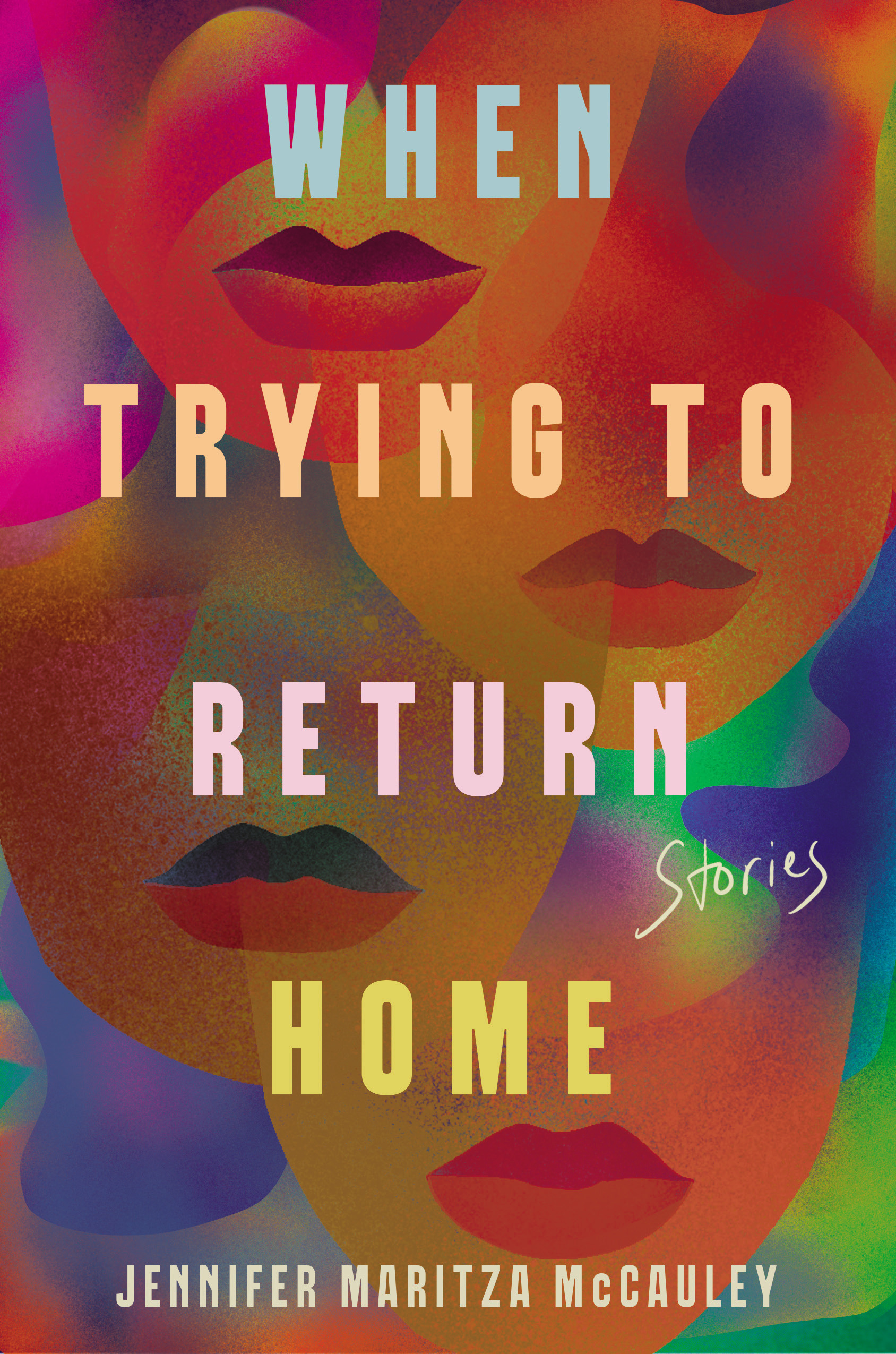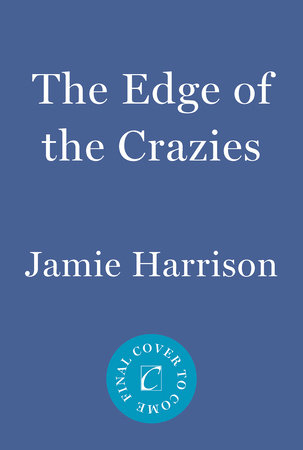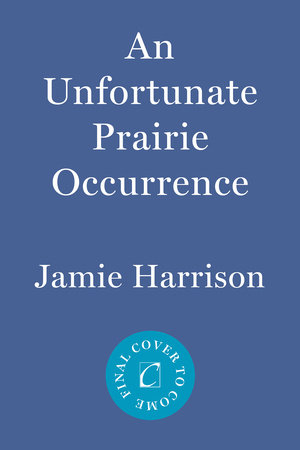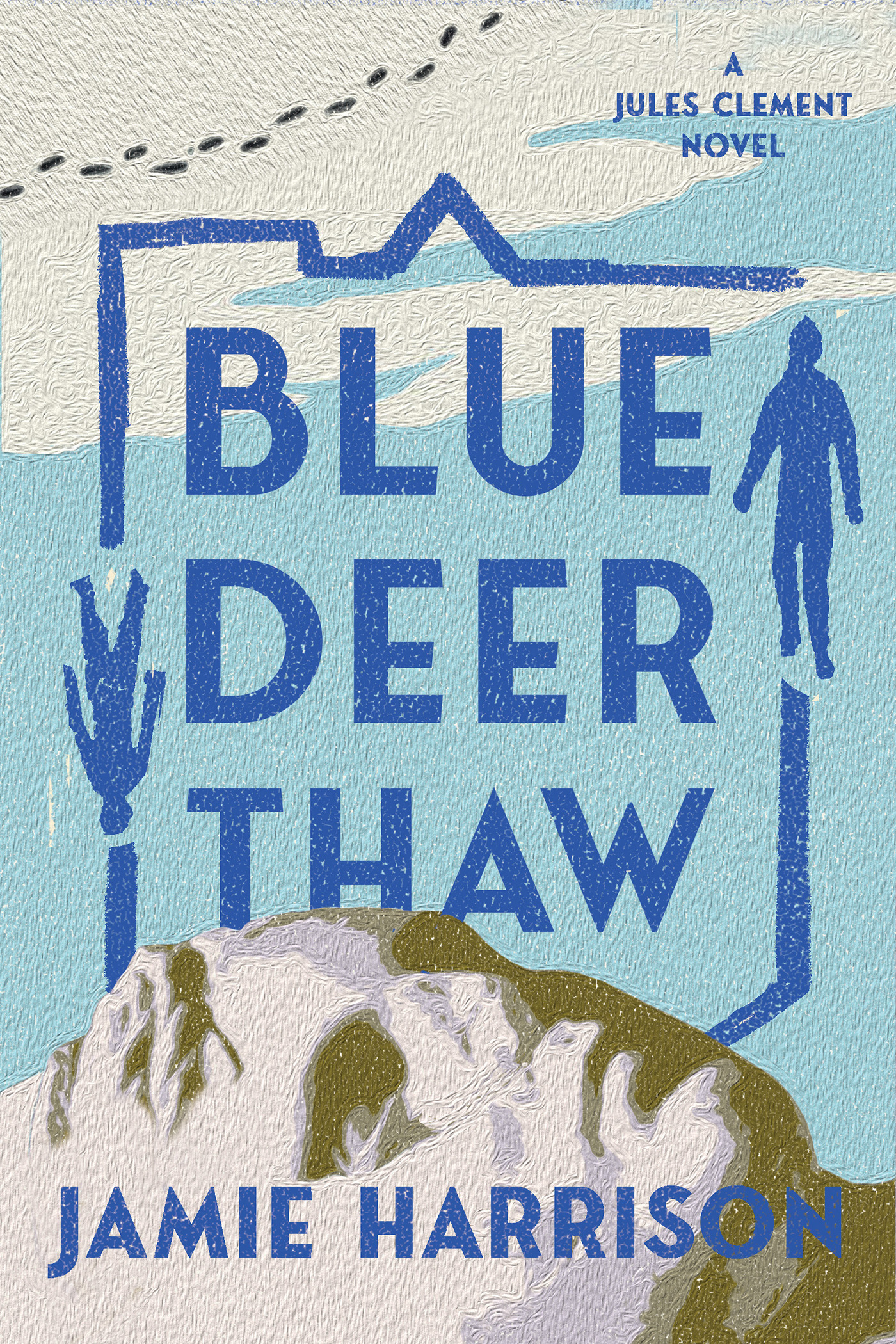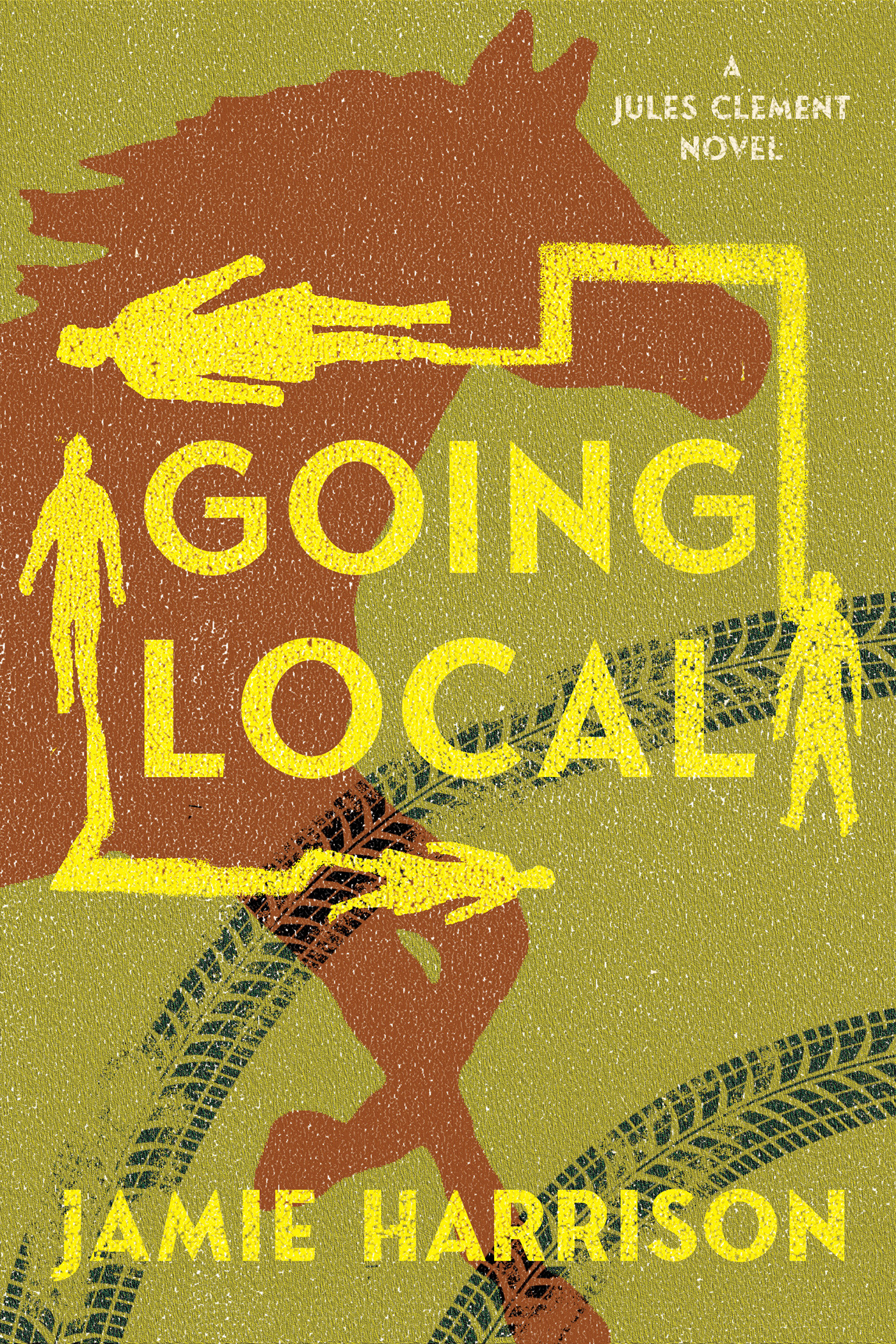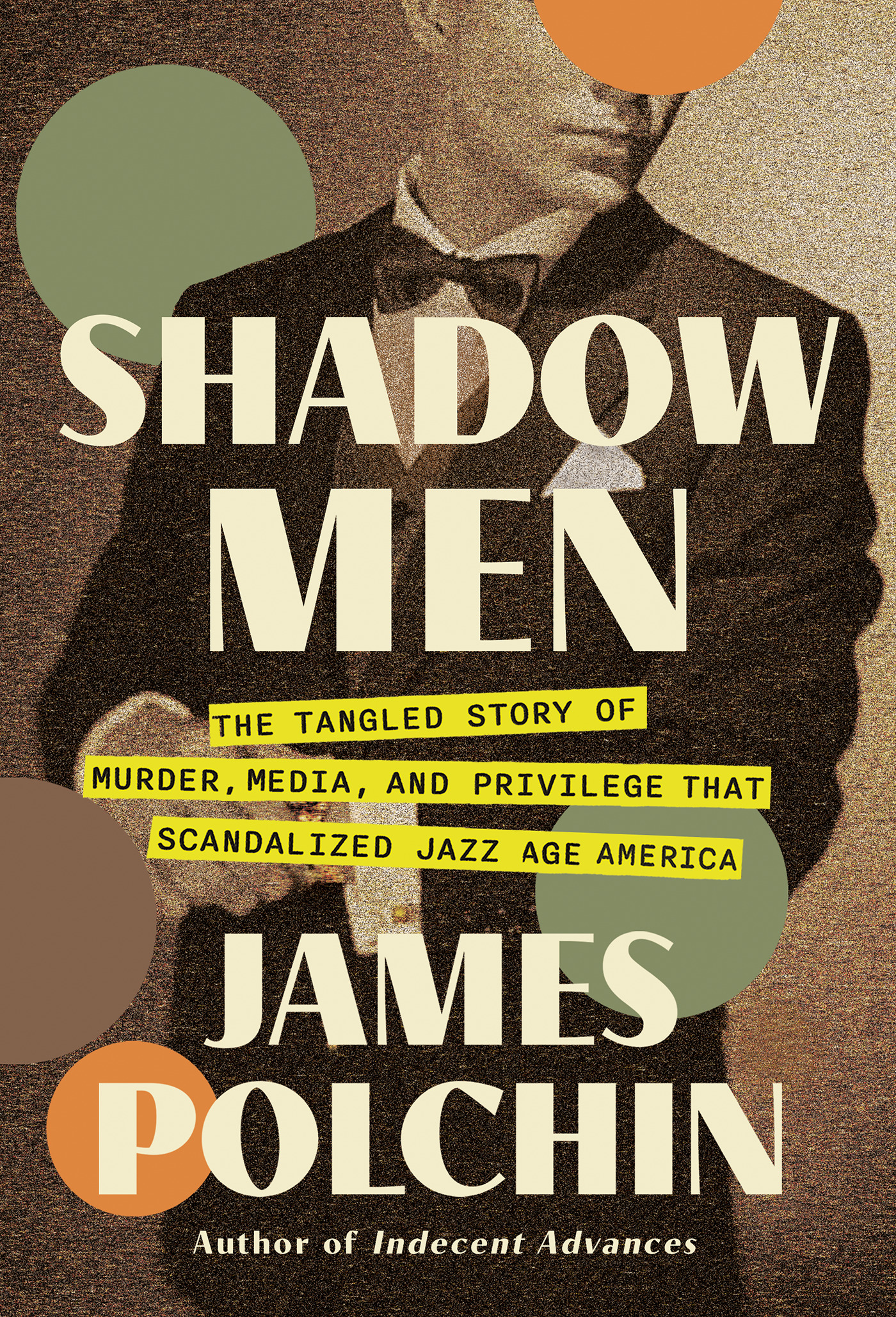


So although my aging body is show signs of stiffness, Soft Skull itself is as flexible as ever—6 weeks ago, I got an email from Tom Kelly, author of The Rackets and Empire Rising, telling me his forst book, Payback was going out of print, and that the History Channel was doing a 12-part series on sandhogs, and suggested we might want to reissue the out of print book, not in the least because he himself was a consultant on the project, appears in several episodes etc.
Six weeks later, Amazon is live with the cover. The book is at the printer. We publish early September.
It's nice to make things happen. And here's the author being interviewed by Charlie Rose, back when the book first came out.
(just a few seconds sadly, I'll show you a few more of them in the coming days—these trailers can cost money.)
A late-to-the-party-but-oh-so-worth-the-wait review of How the Dead Dream, by Frederic Koeppel, a critic at the Memphis Commercial Appeal who has been following Millet's work since at least 2002.
Lydia Millet writes strange, provocative, disturbing novels that illuminate recesses of the human psyche most people would rather not have revealed. At the same time, her work is horrifically funny, profoundly satirical yet committed and compassionate. Such previous novels by Millet as “George Bush: Dark Prince of Love,” “My Happy Life” and “Oh Pure and Radiant Heart,” will remind readers of Melville’s full-dark mode of “Bartleby the Scrivener” and “Billy Budd”; of Kafka’s short stories like “A Country Doctor” and “A Hunger Artist”; and Nathanael West’s bitter, incisive little novels, “Miss Lonelyhearts” and “The Day of the Locust,” all works that deal in different ways with isolation, alienation and loneliness, with complicated desires and quenched passions, with the weary workings of humanity worn down to an essential, terrifying nub, the locus where choices are extremely limited and profoundly inevitable.With “How the Dead Dream” (Counterpoint, $24), Millet delivers a novel that strips a character of all pretense, custom, habit and certitude, even of personality, to leave an entity that moves blindly forward in a world of blunt instinct. Even as a boy, the novel’s central figure, T., loves money, examining the faces of the Founding Fathers depicted on currency to understand their characters: he admires Andrew Jackson because it seems as if “no passing insult could compel him to emote.” This slightly curious locution mirrors T’s own sense of formality and detachment; he requires neither friends nor praise, only the satisfaction and protection that success and money bring. Though a genius at business, he lives modestly, alone, but in the grip of a vision:
Currency infused all things, from the small to the monolithic. And to be a statesman the first thing needed was not morals, public service, or the power of rhetoric; the first thing needed was money. Because finally there was always a single answer. As there was only one intelligence residing in a self, as trees grew upward toward the sun, as women lived outward and men walked in insulation to the end of their lives: when all was said and done, from place to place and country to country, forget the subtleties of right and wrong, the struggle toward affinity. In the lurch and flux, in all the variation and the same, it was only money that could set a person free.
Yet contingencies arise, cracking T’s world of purpose and discipline. First, driving from Los Angeles to Las Vegas, T. hits a coyote; getting out of his car, stunned, confused, he sits with her as she dies: “the fullness, the terrible sympathy.” T.’s father unaccountably leaves his mother; she moves in with her son and gradually becomes obsessed, then eccentric, then demented. Improbably, T. acquires a girlfriend — “it was her self-possession that got him” — but there is a flaw in her heart, an unpredictable nick of the sort that doctors only know is there after a person inexplicably dies. Now T. begins to realize: “Authority was not all.”
More on their blog.
So I'd seen various links to Nick Hornby on eBooks and, fool that I am, I assumed it would be the usual blather about smell of the paper etc etc. Wrong I was.
Read it. It's quite a straightforward analysis but pretty much all true.
The bit that he misses is of course critical: that the future of eBooks has nothing to do with the development of an eBook reading device, but rather software that enables easy reading of long form narrative on whatever devices might be popular at a given moment.
But, for the moment, don't let that detract from your reading of his post—each point he makes must be contended with if we're to successfully be connecting writers to readers effectively in the coming years and decades.
...very pissed off.
Two smart and concerned leading citizens of the world of books use the occasion of a leaked document from the Tribune company to suggest that the barbarians at the gate might have some good ideas...
Mark Athitakas: The good news here is that Abrams recognizes that there’s a small but passionate readership for book reviews—one that can potentially be monetized—and that covering the literary world is part of the mission statement of any media organization. (At least that’s how I interpret “one of those things you had to have for completeness.”) I’m not even especially troubled by the notion of more coverage of popular/Christian/celeb books. In fact, let’s expand it—make the books editor at the daily paper the ideas person, the person who’s able and willing to jump on the blog and round up the relevant books and call the relevant authors regarding the issues of the day. That’s across the paper—world, national, local, sports, etc. (Slate and the Washington Post work together on something like this, compiling reading lists on varied subjects, and the print version often winds up in the Sunday Outlook section.) Five essential books on NASA; the two best books on the neighborhood that’s about to be re-zoned for a strip mall; a handful of books on gun control; a top-ten reading list of best baseball stories, and talk to the person out in the city who wrote one that maybe didn’t make the list. All of this supplementing the regular Sunday review.
Mark Sarvas: And so we repeat a call we've made on stages and on panels before, something we've even suggested to a few well-placed folks at the Los Angeles Times Book Review: Rather than calving the book pages yet again, and grafting the limp remains onto Calendar's derriere, let's fold the print Book Review entirely. Stop it cold. Spare it further indignities. And take the budget of that hard copy review - including all physical costs (printing, a share of distribution) - and use those funds (with perhaps a bump if you're really committed) to create a web-only Book Review. Get the best contributors, stop worrying about length, innovate and create a vital resource. Get creative - don't say it can't make money or break even, figure out how to do it. Look, fifteen million people travel around the world on their computers to read the Guardian - because the Guardian offers something that is indispensable to anyone who cares about books: Inarguable quality. (Their blogs notwithstanding.) So why not bring in a team of the best web designers, of writers and editors who could create the most exciting new book section seen in this country since the New York Review of Books set up shop?
{Also, missed this, as I've been a bit behind, Sarah Weinman also weighs in.]